
Exploring Port Rashid Cruise Terminal 2 in Dubai
Intro
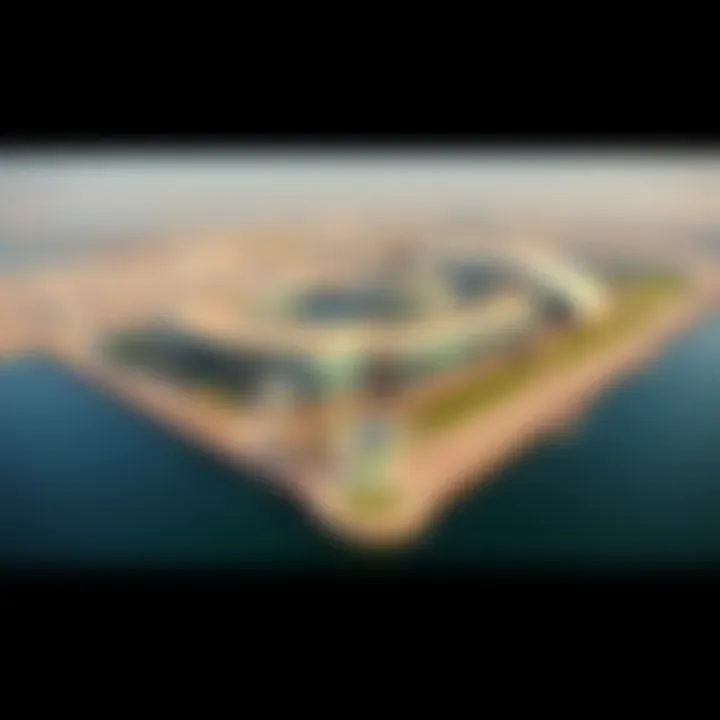
Port Rashid Cruise Terminal 2 is an important linchpin within Dubai’s maritime framework, acting as a gateway for thousands of tourists each year. Unlike its predecessor, the updated terminal presents an array of features aimed at providing a seamless experience for passengers while bolstering Dubai’s reputation as a premier cruise destination. This section offers a glimpse into what makes this breezy terminal stand out, focusing on its operational intricacies and a look into how its existence enhances the local real estate landscape.
As travelers opt for cruise vacations more than ever before, Port Rashid plays a pivotal role in facilitating this trend. The terminal doesn’t just serve cruise ships; it showcases Dubai’s commitment to luxurious travel and seamless logistics, setting the bar high for maritime operations in the region.
The significance of this terminal extends beyond mere passenger transit. It serves as a canvas where logistical considerations blend with tourism strategies, making it a noteworthy subject for investors, real estate professionals, and industry analysts alike.
Prolusion to Port Rashid Cruise Terminal
In recent years, Port Rashid Cruise Terminal 2 has carved out a notable place within Dubai's bustling maritime landscape. This terminal is more than just an entry point for cruise ships; it symbolizes the evolution of Dubai as a global cruise destination. Its various features blend practicality with luxury, catering to both passenger comfort and operational efficiency. Understanding this terminal's significance not only benefits those interested in travel but also stakeholders in the real estate and tourism industries.
Overview of Port Rashid
Nestled along the coast of Dubai, Port Rashid has a rich history as a focal point for sea trade and tourism. It serves as an anchor within the city's strategy to expand its tourism sector. The terminal itself is well-equipped to handle a vast number of passengers, providing essential facilities that ease the embarkation and disembarkation processes. The growth seen at this terminal reflects a deeper trend in the region, where investments in infrastructure are fueling a surge in maritime tourism.
A typical view of Port Rashid reveals a dynamic environment. Large cruise ships, gleaming in the sunlight, are often juxtaposed with the city’s glamorous skyline, creating an irresistible allure for tourists. Those familiar with sea travel understand how pivotal a well-functioning terminal is in enhancing the overall cruise experience. Therefore, the design and efficiency offered at Port Rashid are crucial.
Significance of Cruise Terminal
Cruise Terminal 2 plays a key role in putting Dubai on the map as a top-tier cruise destination, attracting a considerable number of international travelers. This terminal's layout, functionality, and services ensure that it meets global standards and enhances customer satisfaction. Its importance goes beyond mere aesthetics; it serves as a crucial piece in the puzzle that is Dubai’s advancement as a tourism hub.
"Ports are the gateways to the world, and Cruise Terminal 2 stands as a shining example of Dubai's commitment to excellence."
In terms of economic impact, the terminal has been a game changer. With an increasing flow of tourists through this gateway, local businesses thrive, and job opportunities arise, contributing to the city's robust economy. A successful cruise terminal not only benefits the tourism sector but also has ripple effects throughout the local economy, including increased demand in the hospitality and retail sectors.
Architectural Features of Terminal
The architectural features of Port Rashid Cruise Terminal 2 are more than just visual pleasantries; they encapsulate the essence of modern maritime aesthetics while prioritizing functionality. These elements serve not only to enhance the passenger experience but also to position Dubai as a leader in the cruise industry. Understanding the design and construction aspects provides a backdrop for the terminal's significance, lending insights into how such infrastructure supports tourism and the local economy.
Design and Construction
The design of Terminal 2 showcases a contemporary blend of elegance and practicality. With sweeping lines and a spacious open-plan layout, the terminal is designed to facilitate smooth traffic flow, ensuring that thousands of passengers can embark and disembark without a hitch. The use of materials that reflect the maritime surroundings — like glass and lightweight metals — enhances not only the terminal's visual appeal but also its resilience against the harsh coastal climate.
During construction, numerous considerations came into play. Environmental impact assessments guided the choice of sustainable materials and construction practices. The terminal's design incorporates energy-efficient technologies, effectively reducing its carbon footprint. In this way, Terminal 2 is a showcase of modern engineering that meets both aesthetic and ecological standards.
Facilities and Amenities
Passenger Lounges


One of the standout features of Terminal 2 is its passenger lounges. These spaces are crafted to provide a comfortable waiting environment, characterized by ample seating and abundant natural light filtering through panoramic windows. The lounges serve as a retreat for passengers, allowing them to unwind before their journey. With unique amenities such as charging stations and free Wi-Fi, these lounges have become a favored choice. They not only enhance the passenger experience but also reflect the terminal's commitment to convenience and modernity.
Aside from providing comfort, the lounges foster an atmosphere of relaxation. There's a calming ambiance with soothing color palettes and artistic displays inspired by the sea, contributing to a sense of place synonymous with maritime travel.
Retail Outlets
Retail outlets within Terminal 2 offer a curated selection of goods, from luxury items to local handicrafts. What distinguishes these shops is their focus on providing unique products that reflect Dubai's rich culture and heritage. The key characteristic of these outlets is their blend of local charm and global brands, making them attractive not only for tourists but also as a shopping haven for residents.
A unique feature of these outlets is the range of exclusive merchandise tailored for cruise passengers. They often carry items that cannot be found elsewhere, providing visitors with an opportunity to purchase souvenirs that are distinctively tied to their travel experience. This ensures a memorable journey, while also driving additional revenue for local businesses and contributing to the economic ecosystem of the region.
Dining Options
Dining options at Terminal 2 illustrate a commitment to culinary diversity, offering a range of cuisines that cater to international tastes. Passengers can enjoy anything from quick bites to fine dining experiences, showcasing flavors from around the globe. One prominent feature of these dining venues is their emphasis on fresh, locally sourced ingredients, which not only enhances flavor but also promotes sustainability.
The advantage of having these diverse dining choices is clear; it allows passengers to engage with the local culinary scene without straying too far from their travel schedule. Dining becomes not just a necessity but an integral part of the travel experience, enriching visitors' time at the terminal.
"The architectural marvel of Terminal 2 is not just a facility; it’s a launchpad into the diverse cultural experiences Dubai has to offer."
Operational Dynamics
Understanding the operational dynamics of Port Rashid Cruise Terminal 2 is essential for grasping its impact on both the local and global tourism landscape. This terminal serves as a pivotal gateway for international cruise lines, facilitating seamless travel experiences and boosting Dubai's reputation as a premier cruising hub. Key elements such as scheduling, capacity, and operational efficiency play a significant role in shaping the overall experience for travelers and the economic viability of the region.
Cruise Lines and Itineraries
Port Rashid Cruise Terminal 2 hosts a variety of cruise lines that cater to diverse traveler preferences, ranging from luxury to budget options. Notable names include Royal Caribbean, Carnival Cruise Line, and Norwegian Cruise Line, contributing to an exciting array of itineraries.
Each cruise line offers unique journeys, tailored experiences, and distinct amenities that align with the expectations of its clientele. Major itineraries often include trips across the Arabian Gulf, allowing passengers to explore ports in Oman, Bahrain, and Qatar, as well as other stunning destinations. The diversity of options invites a broad demographic, enhancing Dubai's ability to attract tourists year-round.
Volume of Operations
As for the volume of operations, Port Rashid Cruise Terminal 2 is witnessing a steady rise in cruise ship arrivals. In recent years, there has been a marked increase in passenger numbers, reflecting a growing interest in traveling to Dubai. According to the latest figures, the terminal successfully handled over one hundred thousand passengers in the last cruise season alone.
This capacity is projected to grow as investments in infrastructure continue, ensuring that the terminal can accommodate a greater influx of ships and visitors. Such efficiency is vital because it not only maximizes revenue for local businesses but also enriches the cultural exchange between tourists and the local community.
To sum up, the operational dynamics at Port Rashid Cruise Terminal 2 are not just about the movement of vessels but also about the broader implications for tourism and the economy. With the right strategies in place, this terminal stands poised to support Dubai's vision as a global travel hub while maximizing benefits for travelers and local stakeholders alike.
The rise in volume of operations at Port Rashid points towards Dubai's growing popularity as an essential stop on the cruise map, highlighting both the potential for travelers and economic opportunities.
Ultimately, elevating operational efficiency will continue to play a crucial role in maintaining Dubai's status in the cruise industry, ensuring that future visitors enjoy a memorable experience while contributing to the region's development.
Impact on Tourism Industry


The impact on the tourism industry of Port Rashid Cruise Terminal 2 is significant, marking a transformative chapter in Dubai's status as a global cruise hub. As the terminal continues to flourish, it enhances the city's appeal not just to leisure travelers but also to investors eyeing opportunities within the tourism sector. Its strategic location and extensive facilities cater to the evolving needs of cruise passengers, ultimately shaping a robust tourism landscape that benefits various stakeholders.
Visitor Statistics
An analysis of visitor statistics reveals just how essential the terminal is to Dubai’s tourism flow. In recent years, the terminal has reported a surge in passenger numbers, with hundreds of thousands shuffling through its gates annually. According to recent data from Dubai's tourism authority, the terminal is a vital cog in the wheel of the tourism ecosystem, contributing significantly to the city's overall visitor count.
For instance, in 2023 alone, around 500,000 cruise passengers docked at Port Rashid, many of whom extend their stay to explore Dubai’s attractions. This statistic isn’t just a number; it tells a story of increased hotel bookings, restaurant patronage, and retail sales across the city. The ripple effect this generates across various sectors underlines the terminal’s crucial role in tourism.
Economic Contributions
Job Creation
One of the most noteworthy outcomes related to Port Rashid Cruise Terminal 2 is job creation. The terminal catalyzes an array of employment opportunities, from direct jobs such as port staff and security personnel to indirect roles in hospitality and retail sectors. For someone looking to own a business or invest in the area, this presents a profitable landscape.
The jobs created range from seasonal roles—driven by peak cruise seasons—to permanent positions in various supporting industries. A significant characteristic of job creation stemming from the terminal is its ability to uplift communities. Local skill development programs—often initiated by companies seeking to hire—contribute to workforce enhancement. Job seekers can find opportunities not only within the terminal but also in hotels, restaurants, and local shops catering to cruise passengers. In doing so, it promotes economic prosperity, making it a valuable point of interest for entrepreneurs and investors.
Local Business Engagement
The terminal also boosts local business engagement in ways that are worth discussing. As cruise visitors disembark, they often wander beyond the terminal in search of shopping, dining, and entertainment, thus bridging their experience with the city. This engagement drives demand for services and goods, invigorating neighborhood economies.
A standout feature of this interaction is the partnership between the terminal and local businesses. Collaborations often lead to initiatives aimed at enticing tourists, such as exclusive offers or public transportation packages, designed to make their visit as seamless as possible. The uniqueness of such partnerships elevates small businesses, enabling them to thrive when cruise passengers flock in. This synergy not only enhances the travel experience of visitors but also sustains local businesses—making it a favorable aspect for urban planners and investors alike.
All in all, the engagement between the cruise terminal and local businesses is a perfect example of symbiosis, with each benefiting from the other's growth.
In summary, the impact of Port Rashid Cruise Terminal 2 on the tourism industry is both broad and deep, influencing visitor statistics and driving economic contributions through job availability and local business engagement. As the terminal evolves, its role in shaping Dubai’s tourism landscape grows—creating a buzzing marketplace of opportunities for stakeholders.
Challenges Faced by Cruise Terminal
In any thriving port environment, challenges loom on the horizon, and Port Rashid Cruise Terminal 2 is no exception. The complexities surrounding its operations can significantly impact its potential as a premier cruise destination. Recognizing these challenges is vital for stakeholders, including investors and real estate experts, as it shapes the terminal's future feasibility and attractiveness to cruise lines.
Logistical Concerns
One of the primary challenges is the intricate web of logistical issues that must be navigated for efficient cruise operations. With an increase in passenger traffic and the need for streamlined entry and exit processes, maintaining an effective logistical framework is crucial.
- Traffic Management: The flow of passengers and vehicles to and from the terminal needs careful planning. Congestion can arise swiftly, especially during peak seasons, posing delays that can tarnish the visitor experience. Managing these surges in traffic isn't simply about infrastructure; it’s also about timing and coordination.
- Customs and Security Protocols: Security measures must be both rigorous and efficient. The need to balance thorough screening with expeditious processing can create significant bottlenecks if not executed properly. Stakeholders must ensure that seamless customs clearance remains a priority to avoid frustrating delays for travelers.
- Coordination with Cruise Lines: A synchronized relationship with the various cruise lines is essential. Communication gaps between the terminal and cruise operators can lead to scheduling mishaps, resulting in missed excursions and dissatisfied guests.
Competition with Other Ports
As Dubai solidifies its stature as a leader in global tourism, Port Rashid Cruise Terminal 2 faces stiff competition from other ports in the region. The maritime landscape is dynamic, and the competition is beyond just the facilities offered but extends deeply into marketing and unique experiences.
- Regional Rivals: Ports like Port Hamad in Qatar and Abu Dhabi’s Zayed Port vie for the same cruise line business. These ports are continuously enhancing their offerings to attract diverse cruise itineraries, drawing passengers who may otherwise have chosen Port Rashid.
- Experiential Tourism: Today’s travelers seek unique experiences. If rivals market themselves as providing richer or more diverse activities off the ship, Port Rashid must step up its game. A focus on tailored experiences, cultural immersion, and themed events can help in retaining clientele.
- Investment in Infrastructure: Competing ports are unrelenting in their investments to improve facilities and upgrade services, making it vital for Port Rashid to stay ahead of the curve. If significant investments in modern amenities and experiences aren’t prioritized, the terminal risks losing its allure amongst the capturing competition.


The challenges at Port Rashid Cruise Terminal 2 provide invaluable insights into the necessity for constant evolution within the maritime industry. Stakeholders must remain agile, always ready to pivot strategies based on operational needs and market trends.
Future Prospects of Port Rashid Cruise Terminal
The future of Port Rashid Cruise Terminal 2 holds significant implications for Dubai's position as a leading global cruise destination and its overarching economic landscape. As the popularity of cruise travel continues to rise, the terminal is poised to enhance its operational capabilities and redefine passenger experiences. Fostering growth in this sector can usher in various benefits, from boosting tourism to creating job opportunities, ultimately enriching the local community.
Expansion Plans
Expansion plans for Port Rashid Cruise Terminal 2 are already in the pipeline. There is a clear recognition among stakeholders that further development is crucial to accommodate a growing number of cruise passengers. Some key initiatives under discussion or already in progress include:
- Enhanced berthing facilities: The aim is to increase the number of ships that can dock simultaneously, which would subsequently maximize the passenger volume. This could require the construction of additional berths tailored for larger vessels.
- Upgraded passenger services: Future upgrades may introduce advanced check-in systems and larger waiting areas, allowing for a smoother embarkation process. The goal is to make every journey a hassle-free experience, which is increasingly important in today's travel environment.
- Integration with transit systems: To enhance visitor mobility, plans may include improved connections with local transport systems. This encompasses bus and metro connections that could streamline the journey for tourists venturing beyond the terminal's confines.
These expansions not only promise immediate benefits, but long-term sustainability through maintaining high passenger satisfaction.
Sustainability Initiatives
Sustainability is becoming a buzzword across industries, and Port Rashid Cruise Terminal 2 is no exception. A commitment to eco-friendly practices should be ingrained in future operations as environmental consciousness among travelers grows. Key initiatives to watch for include:
- Green building standards: There is potential for the terminal to be designed or renovated with sustainability in mind. Implementing energy-efficient systems and utilizing renewable materials can set a model for future maritime infrastructure.
- Waste management programs: Effective waste reduction strategies will be integral in curtailing the environmental footprint of cruise operations. This may involve partnerships with waste management companies that can ensure responsible disposal and recycling practices.
- Community engagement: Engaging local businesses and communities in sustainability efforts will be vital. By promoting local produce and handmade goods in terminal shops, the terminal not only supports the local economy but also reduces transportation emissions associated with importing goods.
The success of these sustainability initiatives will ultimately position Port Rashid Cruise Terminal 2 as a frontrunner in responsible tourism—a move that resonate well with environmentally-conscious travelers.
Ultimately, both expansion plans and sustainability initiatives signal a proactive approach towards establishing Port Rashid Cruise Terminal 2 as a future-ready facility, capable of weathering the ever-evolving maritime industry. Through these developments, it stands to strengthen Dubai’s reputation and build a resilient, attractive environment for both tourists and investors.
Culmination: The Role of Port Rashid in Dubai's Growth
In the grand tapestry of Dubai’s continuous evolution, Port Rashid Cruise Terminal 2 stands as a cornerstone, influencing economic and social dynamics. This terminal is not merely a gateway for cruise ships; it serves as a bridge connecting Dubai to the world, enhancing its image as an international maritime hub. The implications of its operations ripple through various sectors, manifesting in both tangible and intangible benefits that contribute to the overall growth narrative of the emirate.
Summary of Key Insights
Delving into the elements that define the significance of Port Rashid reveals several key insights:
- Economic Stimulus: The terminal draws in millions of tourists each year. This influx not only boosts the hospitality sector but also invigorates local markets, from artisanal vendors to upscale retail.
- Infrastructure Development: Continuous enhancements to the terminal itself reflect Dubai's commitment to innovation and excellence. Facilities are designed with passenger comfort in mind, ensuring that travelers leave with positive impressions of the city.
- Tourism Diversity: By accommodating a multitude of cruise lines and varied itineraries, Port Rashid taps into different demographic audiences. This diversifies tourism, allowing Dubai to showcase its blend of modernity and tradition.
Beyond these points, the terminal's influence extends into soft power as well, where the city’s global image is shaped not only by physical structures but also by the experiences shared by visitors. The word-of-mouth and online narratives stemming from these journeys further entrench Dubai’s reputation as a premier travel destination.
Implications for Real Estate Market
The ramifications of Port Rashid’s operational advancements on the real estate market cannot be overstated. As the terminal attracts increasing numbers of international tourists and investors, the local real estate landscape is set for significant transformations:
- Property Values Increase: Proximity to the terminal can push up property values, making residential and commercial investments in surrounding areas more attractive.
- Emergence of New Developments: With growing interest in residential apartments and hotels near the terminal, developers are likely to seize the opportunity, thus fostering new projects aimed at accommodating both visitors and locals.
- Shifts in Investment Strategies: Stakeholders in the property market, including buyers and sellers, are compelled to recalibrate their strategies to align with emerging trends in tourism and maritime commerce that stem from the port’s growth.
Overall, the surge in activity at Port Rashid not only appeals to tourists but acts as a catalyst for broader economic development. Stakeholders must keep an eye on how these dynamics play out, as understanding them will be essential for making informed decisions in the real estate arena, where timing and comprehension of market trends can make all the difference.
Important Note: As the cruise industry continues to adapt post-pandemic, the long-term implications of Port Rashid’s expansion will likely require reassessment of typical engagement strategies from real estate professionals.
In closing, Port Rashid Cruise Terminal 2 is not just a terminal; it is a vital organ within Dubai's economic and cultural body, fueling growth and drawing the world closer to the emirate's shores.