Discover the French Village in Dubai: Culture and Style
Intro
Dubai, often regarded as a melting pot of cultures, is known for its extravagant architecture and modern urban design. Nestled within this vibrant city is a unique attraction known as the French Village. This development embodies a fusion of rich French culture and aesthetic elegance, set against the backdrop of Dubai's high-paced lifestyle. As the demand for distinctive real estate blossoms, understanding the nuances of the French Village becomes critical for potential buyers, investors, and analysts alike. This space doesn't just reflect architectural innovation; it also mirrors broader trends in real estate, community engagement, and investment potential.
In recent years, the allure of the French Village has gained traction among those curious about a cosmopolitan lifestyle. Its design and cultural offerings provide a sanctuary from the bustling city life while fostering a distinctive community atmosphere. By diving deeper into the architectural feats and cultural significance of this locale, one can truly appreciate the multifaceted nature of the French Village. In this exploration, we will unpack market trends, investment opportunities, and the socio-cultural implications that come with this unique development.
Preamble to the French Village
In the heart of Dubai, a striking development known as the French Village beckons for closer inspection. This urban setting is not merely a visual delight; it embodies a unique blend of culture, architecture, and economic potential that captures the attention of investors, residents, and tourists alike. Its significance within the bustling real estate market of Dubai cannot be understated, as it introduces French aesthetics and lifestyle to an already vibrant city.
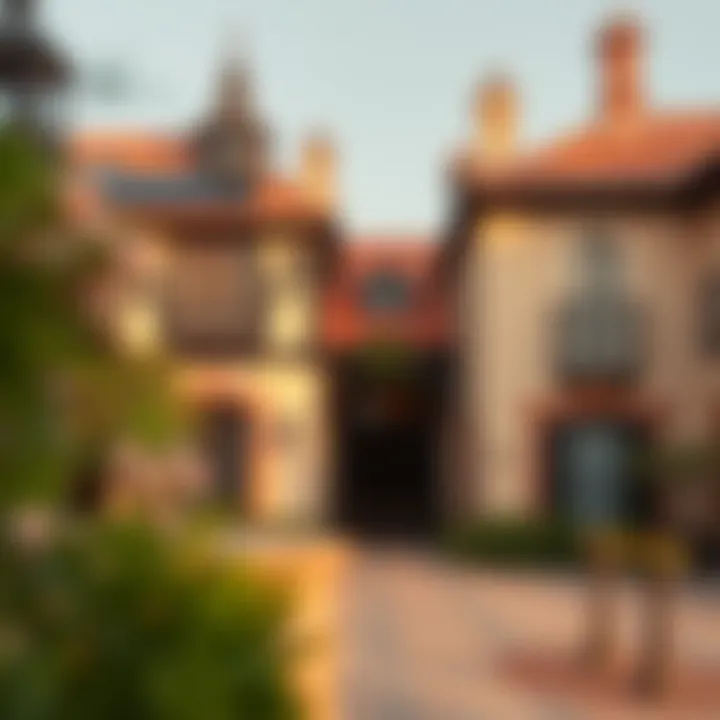
The French Village offers a slice of Europe amidst the desert landscape, where each corner invites exploration and appreciation. Visitors marvel at its recreation of traditional French architecture, while residents enjoy a lifestyle reminiscent of European town life. This is where the charm of the French countryside meets the modern conveniences of a bustling metropolis. The village is more than just a cluster of buildings; it's a cultural hub that hosts various events that celebrate French traditions, thus enriching Dubai's diverse tapestry.
In this section, we will dive into the foundational aspects of the French Village, highlighting its concept and historical backdrop. Understanding its core is essential for stakeholders—be it buyers looking for a new home, investors eyeing opportunities, or analysts evaluating market trends.
Understanding the Concept
The French Village is an innovative concept that fosters community engagement while providing a taste of French culture and living. It is designed to cultivate an environment where cultural exchange flourishes. Imagine walking through vine-covered archways that lead to cafes serving fresh croissants or boutiques showcasing artisanal products straight from France. This setting goes beyond superficial aesthetics; it encapsulates a lifestyle.
The central tenet of the French Village is the idea of bringing people together. Voices echoing with the exchange of different languages and blends of cultures create a rich urban experience. Not simply administrative buildings or commercial spaces, the village aims to create emotional connections between its residents and visitors. This goal resonates with many who wish to experience life through a multicultural lens.
Historical Context
The roots of the French Village trace back to a broader trend in Dubai towards thematic developments that experience popularity in real estate. This inspiration stems from those who sought to create environments reflecting something deeper than mere architecture. As the UAE opened its doors to global influences, the French Village emerged as part of this cultural blend, symbolizing collaboration and integration.
The concept likely came to fruition in the early 2000s when Dubai began to market itself as an international hub, attracting people from around the world. Entrepreneurs familiar with the French way of life sought to replicate the aesthetics and livability of quaint French towns, thus leading to the project’s inception. Today, the French Village stands as a testament to successful cultural integration, presenting visitors with a little piece of France while residing in a Middle Eastern context.
This approach highlights a shifting paradigm in urban development, where the focus is as much on culture as it is on commerce.
By understanding these foundational elements, potential investors and residents can better grasp the French Village's relevance in today's world, particularly within Dubai’s booming property sector. It highlights a path towards a more culturally conscious approach to development, where each building tells a story, bridging gaps between nationalities and traditions.
Architectural Features of the French Village
The architectural features of the French Village stand as a testament to the ambition of ever-evolving urban settings, blending a touch of French elegance with the vibrant culture of Dubai. While the allure of aesthetic beauty is apparent, it's the underlying design elements and their implications that really paint the bigger picture of this unique space. This blend of artistry and functionality contributes to both the character of the village and its role in the broader urban landscape.
Design Elements
Neo-Classical Influences
When we delve into the neo-classical influences evident in the French Village, it’s hard to ignore the foundational characteristics that make this style particularly appealing. Notably, the grandeur of columns and arches reflects a nod to ancient Greek and Roman architecture, conveying a sense of timelessness. The use of symmetry and meticulous detailing immerses visitors into a refined ambiance, making it a popular choice for those seeking an elegant residential environment.
One of the unique features of neo-classical architecture here is the incorporation of ornate facades that not only enhance visual appeal but also improve the overall structural integrity of buildings. For buyers and investors, this aligns well with the long-term value of properties since classic design often retains its allure through the ages. However, it is essential to balance these traditional elements with practical living demands, as it may involve higher maintenance costs due to intricate designs.
Modern Adaptations
In contrast with its neo-classical counterpart, modern adaptations within the French Village reveal a shift toward more functional and minimalist aesthetics. Elements such as open floor plans and sustainable materials boast energy efficiency and contemporary allure, catering to today’s eco-conscious buyer. Through embracing natural light and innovative layouts, these modern sites provide a refreshing breath of air—figuratively and literally.
The versatility of modern adaptations is a substantial advantage. By integrating contemporary technologies within the framework of classic designs, the properties not only remain stylish but serve the needs of a dynamic demographic. This juxtaposition supports a diverse array of events—from tranquil family gatherings to bustling community festivals. However, striking the right balance between modern comfort and cultural homage could pose a challenge, as some purists may argue that it blurs the lines of original intentions.
Landscaping and Environment
The planning of landscaping within the French Village adds another crucial layer, acting as a facilitator for both environmental benefits and aesthetic pleasures. Lush greenery and winding pathways embody a tranquil escape from the fast-paced lifestyle typical of urban areas. Natural elements like indigenous flora are prominently featured, offering a tangible connection to local ecology. With favorable designs, residents are likely more inclined to step outside, take a stroll, or engage with their neighbors, nurturing a sense of community.
Moreover, the integration of outdoor spaces into daily life promotes wellness and relaxation. Having boulevards alongside shopping areas, parks, and recreational zones encourages movement, while tranquil seating areas offer respite. However, maintaining these green spaces requires commitment and investment from the community, which is something both residents and developers must take seriously for sustained success.
The architectural features of the French Village encompass a careful blend of influences that cater not only to aesthetic desires but also practical habitability. It's this layered approach that allows the village to thrive within the bustling context of Dubai, looking appealing while being a functional haven for those who call it home or choose to invest in its unique offerings.
Cultural Integration within Dubai
The cultural integration of the French Village within Dubai is a rich tapestry that weaves together the unique threads of French artistry and local traditions. This complex blend contributes not just to a visually captivating environment, but also enhances the multicultural identity of Dubai. Residents and visitors alike gain exposure to varied cultural experiences, making the location a microcosm of the broader global community. The French Village serves as a living example of how architecture, food, and events unite to foster intercultural dialogue.
While Dubai is known for its glistening skyscrapers, the French Village posits a different narrative. It promises an immersive experience into French cultural elements, promoting understanding and respect among diverse communities. Here, French aesthetics meet Middle Eastern hospitality, encouraging social interaction and collaboration. This integration also has practical advantages; it creates opportunities for businesses, enhances tourism, and builds a unique community spirit where people from different backgrounds can thrive together.
Community Events and Festivals
Community events and festivals in the French Village not only provide an avenue for cultural exchange but also solidify the community bond. Throughout the year, various events are held that celebrate French culture, such as Bastille Day celebrations, wine and cheese fairs, and classical music concerts featuring local artists. These gatherings become a melting pot, attracting both expats and locals to partake in activities that emphasize unity and shared experiences.
Some notable events include:
- Bastille Day Festivities: An annual gathering that features traditional French food, live music, and even a recreation of the storming of the Bastille.
- Artisan Markets: Weekly markets that showcase local craftsmen and French connoisseurs, promoting local businesses while providing a charming atmosphere reminiscent of Parisian streets.
- Film Nights: Outdoor screenings of classic French films, drawing cinephiles from all backgrounds, making for an enriching cultural evening under the stars.
These events not only entertain but also educate participants about French customs and traditions, fostering a sense of belonging and cultural appreciation.
Cuisine and Gastronomic Influence
The culinary scene in the French Village is where flavors truly come alive. The influence of French cuisine mingles beautifully with local flavors, creating a gastronomic paradise. Restaurants and cafés offer a range of dishes from croissants to bouillabaisse, enticing food lovers to explore a palette that is rich and diverse. Local favorites are often infused with French techniques and flair, resulting in a culinary fusion that is both innovative and respectful of tradition.
Food enthusiasts can engage in experiences such as:
- Cooking Classes: Local chefs teach the art of French cooking, combining traditional recipes with local ingredients to create distinctive dishes. This not only preserves culinary heritage but also encourages innovative exchanges among residents.
- Seasonal Tastings: Special menus that highlight seasonal fruits and vegetables styled with French culinary art give visitors a chance to relish the best of both worlds.
In addition, food festivals, where locals and visitors sample dishes from various restaurants, play a central role in promoting cultural integration. The culmination of these flavors not only promotes community bonding but also positions the French Village as an essential part of Dubai's vibrant culinary scene.
"Cuisine unites us all; it speaks a language that transcends borders, creating memories shared over plates and tables."
The synergy of cultural integration in the French Village reflects a larger trend in Dubai—one that embraces diversity while creating an environment for mutual learning and respect. This not only enhances community life but also solidifies Dubai's reputation as a global hub, rich with opportunities and experiences.
Economic Impact of the French Village
Understanding the economic ramifications of the French Village in Dubai is vital for comprehending its role in the larger landscape of real estate and urban development. The French Village is not merely a nice-to-visit locality, but a significant player in the economic architecture of Dubai, influencing market trends, property valuation, and investment opportunities. An evaluation of its economic impact reveals nuanced details that can benefit buyers, investors, agents, and analysts alike.
Real Estate Market Evaluation
The real estate market surrounding the French Village mirrors the unique blend of artistry and commerce it stands for. Properties here often draw a premium due to their distinctive aesthetic and cultural offerings. As this area garners attention, there is a rising interest among foreign investors, suggesting a shift in buying patterns. Speculators and seasoned investors are watching this locale closely, recognizing the potential for appreciation in property values over time.
Residents in this village tend to favor longer-term investments given the strong community presence and growing local amenities. The developments are frequently evaluated based on the level of ROI that they can yield, and properties around the French Village have shown promising trends in terms of rental yields.
Homebuyers are particularly intrigued by mixed-use developments in this area which provide a balance between residential comforts and access to leisure and retail options. In addition, with the support of Dubai's governmental policies promoting expatriate investment, endeavors in the French Village are quite attractive.
Investment Opportunities
Investing in the French Village presents various avenues worth exploring. Here are some specific opportunities:
- Residential Properties: Given the demand from expatriates and local buyers, purchasing a home or apartment can be a wise long-term investment.
- Commercial Spaces: As tourism increases, particularly from visitors interested in French culture, investing in retail or dining spots could be highly lucrative.
- Cultural Events and Experiences: Investors might focus on creating businesses that cater to cultural events, such as French culinary festivals or art exhibits, elevating both the locality's profile and potential profit margins.
Expanding your portfolio in this unique village can also mean engaging in joint ventures with local businesses contributing to the flavor of this locality. Moreover, engaging with international investors looking to capitalize on the charm of the French Village can lead to profitable partnerships.
In sum, the economic impact and real estate evaluation in the French Village are markers of its evolving significance in Dubai. Stakeholders should remain alert to emerging trends and seize opportunities that align with the growing community and its unique market positioning.


"Invest in places where cultural identity meets economic potential. The French Village stands as a testament to this symbiosis."
For more general economic information, you can refer to Dubai Statistics Center or Trends in Dubai Property Market to consolidate knowledge about broader real estate trends.
Public Perception and Social Dynamics
Understanding public perception and social dynamics surrounding the French Village in Dubai is crucial for multiple stakeholders, including buyers, investors, and community members. This intricate blend of views shapes the future of the village, guiding investment decisions and cultural integration strategies.
Resident Experiences
Living within the French Village presents a unique experience that combines the warmth of community with the chic sophistication of French aesthetics. Many residents appreciate the tranquil environment that deviates from the hustle and bustle typical of urban living in Dubai. Enclosed within the boundaries of this enclave, residents often engage in community-led initiatives, enhancing the sense of belonging. They frequently share stories of morning walks along cobblestone paths, savored pastries from local patisseries, and spontaneous conversations with neighbors about art or weekly markets. This familiarity fosters a strong social fabric, and the collective experiences positively shape the perceptions held by both residents and outsiders.
However, life in the French Village is not without its challenges. Some new residents have expressed feelings of isolation. The village, while designed to mimic the intimacy of a quaint European community, can feel off-putting to those unfamiliar with its layout and lifestyle. This gap in understanding can create social barriers, and addressing these issues is central to solidifying a more inclusive community. Through initiatives like community BBQs or art exhibitions, long-term residents are working to bridge these gaps, creating a more integrated and welcoming atmosphere.
Visitor Engagement
Visitors to the French Village often find it captivating, prompting discussions about its distinctive design and cultural impressions. The picturesque surroundings and carefully curated events make it a popular spot; many plan visits just to experience the ambiance of France in the heart of Dubai. Engagement can take various forms, from casual strolls along the charming walkways to partaking in seasonal festivities, which showcase French traditions such as Bastille Day celebrations or culinary fairs.
Moreover, the interactions between tourists and locals provide a fertile ground for cultural exchange. Visitors relish the opportunity to enjoy French cuisine at cafes, often commenting on the blend of flavors that both honor traditional recipes and cater to local tastes. Consequently, the village cultivates a reputation not just as a getaway, but as a cultural hub that encourages understanding and appreciation across different backgrounds. However, active management of visitor flow is crucial; too many tourists can strain resources, compromising both resident comfort and the authenticity of the visitor experience.
The French Village is a microcosm of culture and modern living, presenting itself as an intricate tapestry woven from the experiences of its residents and the curiosity of its visitors.
To sum up, public perception and social dynamics play a vital role in shaping the French Village community. Residents' experiences drive engagement opportunities, while visitors' impressions influence future development and investment. Keeping the dialogue open and the community active will be key to sustaining the charm that makes the French Village a cornerstone of Dubai's cultural landscape.
Future Prospects of the French Village
Understanding the future prospects of the French Village is crucial for a variety of stakeholders, including buyers, investors, and real estate analysts. This unique development, which fuses French cultural aesthetics with Arabian surroundings, is poised for both growth and transformation. As Dubai continues to evolve, the French Village holds significant potential to adapt and thrive in the changing landscape of urban living. In the following sections, we will examine various urban plans on the horizon and sustainability initiatives that could enhance its appeal and functionality.
Urban Development Plans
Dubai is no stranger to ambitious urban development projects, and the French Village is not left behind. The ongoing and future urban development plans aim to enhance the infrastructure surrounding the village, making it more accessible and attractive to both residents and tourists alike.
The local government has proposed several enhancements, which include:
- Infrastructure Revamp: Improving transport links with additional roadways and public transport options to ease the commute.
- Mixed-Use Spaces: Developments that combine residential, commercial, and recreational spaces to create a vibrant living environment.
- Cultural Attractions: Plans are underway to introduce museums, art installations, and communal spaces that reflect French culture, thereby attracting both visitors and prospective residents.
These plans are expected to not only elevate the aesthetic quality of the French Village but also boost its property values, making it more appealing to investors. The integration of quality public spaces encourages community interaction, enriching the overall lifestyle for residents.
Sustainability Initiatives
As environmental concerns grow, sustainability becomes a focal point in urban planning. The French Village in Dubai is also aligning with this trend through various proactive initiatives designed to minimize its ecological footprint. These include:
- Green Building Practices: Use of materials and technologies that promote energy efficiency and reduce waste during construction.
- Public Green Spaces: Creating parks and gardens which not only beautify the landscape but also provide recreational areas for the community.
- Renewable Energy Sources: Implementing solar panels and other renewable sources to reduce dependency on fossil fuels within the village.
- Water Conservation Techniques: Installation of smart irrigation systems and promoting xeriscaping to minimize water usage.
The importance of these initiatives cannot be understated. Not only do they contribute to the well-being of the planet, but they also enhance the desirability of the French Village for environmentally-conscious buyers and investors. As the global community increasingly prioritizes sustainability, properties that showcase commitment to these values are likely to stand out.
"A focus on sustainability and modern living can transform the appeal of residential areas like the French Village in Dubai, creating a holistic living environment for its inhabitants."
Comparative Analysis
In assessing the French Village in Dubai, a comparative analysis proves crucial. Such evaluations allow stakeholders, including buyers, investors, and real estate agents, to understand the broader context in which this unique development stands. By drawing parallels with similar international projects and contrasting it with other developments in Dubai, one can uncover beneficial insights regarding market trends, cultural integration, and architectural significance. This analytical approach provides not just a surface-level view but a deep dive into how these elements interact to form a cohesive community.
International Similarities
When one compares the French Village to other global projects, several striking similarities emerge. For instance, places like Little France in Melbourne or the French Quarter in New Orleans showcase charming French-inspired architecture. Here are some aspects worth considering:
- Architectural Style: Both in the French Village and other international counterparts, you’ll find unmistakable French architectural features like ornate facades, wrought-iron balconies, and neatly paved pathways that invite leisurely strolls.
- Cultural Elements: Just like the French Quarter embraces its roots with street artists and musicians, the French Village hosts cultural events and festivals reflecting French traditions.
- Community Engagement: International models often incorporate locals and tourists in their festivities. For instance, the markets of Little France have similar setups that encourage community participation through culinary showcases.
"Similar developments worldwide can serve as a blueprint, illustrating ways to blend cultural heritage with modern living seamlessly."
Contrasts with Other Dubai Developments
Unlike the overly modern towering structures typical of Dubai, the French Village takes a gentler approach to architectural design. Here are some contrasts worth noting:
- Aesthetic Approach: While iconic skyscrapers dominate Dubai’s skyline, the French Village opts for a more quaint and rustic look. It feels more like a stroll through the streets of Paris than amidst Dubai's high-rises. The warm colors and traditional French design elements offer a stark contrast to the glass-and-steel monoliths found in areas like Downtown Dubai.
- Community Vibe: Many Dubai developments focus on luxury and opulence. The French Village, in contrast, leans heavily into community-centric living, promoting gatherings, markets, and shared experiences that connect people.
- Cultural Representation: Dubai is a melting pot of various cultures. While many developments showcase modernity, the French Village is a nod to preserving cultural identity through its architecture and events. Its emphasis is less on high-tech amenities and more on cultural authenticity.
By comparing the French Village with international examples and contrasting it with other local developments, one can gain a comprehensive understanding of its unique position in the Dubai landscape. This level of detail can prove invaluable for potential investors and residents, delivering insights that elevate decision-making.
Challenges Faced by the French Village
The concept of the French Village in Dubai stands not only as a beacon of French culture and architecture but also as a microcosm of the challenges associated with integrating a distinct cultural aesthetic into a vastly different urban environment. This blend of cultures presents its own unique set of hurdles, from regulatory challenges to cultural integration issues. Understanding these challenges is crucial for anyone involved in the investment, management, or development of the French Village, as they can significantly affect both the viability and the attractiveness of this development.
Regulatory and Compliance Issues
Navigating the regulatory landscape in Dubai is akin to traversing a labyrinth—complicated and sometimes daunting. The French Village must comply with a myriad of local laws and regulations that govern everything from building codes to zoning laws. This requirement necessitates a thorough understanding of Dubai's real estate laws, particularly those that pertain to foreign investments and cultural developments. The Gulf region has strict guidelines regarding architectural aesthetics, especially when foreign influences are involved. For instance, any structure that deviates from the traditional Emirati architectural style may face backlash from local authorities.
Moreover, obtaining the necessary permits can be a time-consuming and costly endeavor. Each step in the approval pipeline needs careful attention, from environmental assessments to community impact studies. Stakeholders must be prepared to engage with local governance bodies that may not fully grasp the essence of the French Village's vision. Hence, building strong relationships with regulators can sometimes facilitate smoother compliance.
"The challenge of adapting to local laws is often underestimated, but it can make or break the success of an international project."
This regulatory complexity doesn't just create operational headaches; it risks alienating potential investors who may be deterred by the lengthy compliance processes. Investors need clarity and predictability to make informed decisions. As a result, developers must actively work to demystify these hurdles, presenting a clear path for regulatory compliance alongside appealing investment opportunities.
Cultural Integration Hurdles
Cultural integration represents another significant barrier for the French Village. While Dubai is known for its melting pot of cultures, the introduction of a pronounced French influence demands a careful balancing act. Striking the right chords between maintaining cultural authenticity and ensuring local acceptance can be tricky. The fear of cultural dilution or misinterpretation often looms large, necessitating solutions that respect both heritages.
For residents and visitors who are not familiar with French customs, the Village needs to present a relatable version of French culture. Events like food festivals, art exhibitions, and workshops showcasing French crafts can help demystify French lifestyle elements and promote understanding. However, this process also requires a level of adaptability. Efforts to localize these experiences involve collaboration with local artists and influencers who can bridge cultural gaps.
Additionally, some locals may view the French Village as a symbol of Western influences, which might not always sit well in a region rich with traditions and cultural heritage. Therefore, fostering community goodwill is an ongoing effort. Engaging local community leaders early in the planning process can help build ownership and acceptance around the project, paving the way for broader fabric of coexistence between various cultures within the French Village.
Culmination
In any exploration of architectural marvels and vibrant cultures, the significance of the conclusion can't be overlooked. This section serves as the final synthesis of information presented while highlighting the key takeaways from the entire discussion about the French Village in Dubai.
Summation of Key Insights
First and foremost, the French Village stands not just as a residential area but as a symbol of cultural fusion. The combination of French architectural elegance and the modern conveniences of Dubai creates a unique living experience that draws interest from buyers, residents, and investors alike. Some of the major insights to keep in mind include:
- Cultural Infusion: The village showcases how diverse global cultures can integrate seamlessly into a local framework, enriching community life.
- Architectural Uniqueness: With its neo-classical elements and vibrant landscapes, it is an embodiment of aesthetic values that resonate well with Dubai's eclectic urban environment.
- Economic Opportunities: The surge in demand and distinct character of the French Village cultivates numerous possibilities for investors, making it an attractive option for real estate portfolios.
- Community Engagement: Festivals and events organized in the village highlight the importance of community bonds, bringing together residents from various backgrounds.
- Sustainability Practices: The ongoing development plans reflect a commitment to sustainability, marking a proactive approach to urban living.
These insights pave the way for a nuanced understanding of the French Village, its importance, and what it offers both the market and the residents.
Final Thoughts
As we close the curtains on our exploration of the French Village, it’s clear that this relatively small but significant area embodies more than just residential appeal. It is a microcosm of global interaction, valuable investments, and community empowerment.
The French Village is emblematic of Dubai's larger narrative—an ever-evolving city that embraces diversity while maintaining its roots. As stakeholders—be they buyers, investors, agents, or residents—consider their ventures or experiences in this unique locale, the insights gleaned from this analysis can guide tactical decisions based on rich local culture and burgeoning real estate potential.
In the end, the French Village isn’t just another spot on the map. Instead, it's a testament to the possibilities of urban development, reflecting aspirations and achievements across cultural boundaries.
“The beauty of a gathering place is not just in its aesthetics but in the shared stories that weave its fabric.”
To learn more about Dubai's unique cultural landscapes, you might consider checking resources like Wikipedia or Britannica.