The Impact of the 14 Tower on Dubai's Real Estate
Intro
Dubai’s skyline is nothing short of a marvel, punctuated by its iconic towers and expansive developments. Among these, the 14 Tower stands as a striking testament to the architectural ambitions of the city. It’s not just a building; it represents a significant turning point in Dubai's real estate narrative, influencing market dynamics, investment behaviors, and urban identity.
This skyline icon reflects more than aesthetic achievement. The 14 Tower encapsulates the intertwining of history, culture, and modern design, representing aspirations not just for luxury living, but for redefining how we perceive real estate in rapidly developing metropolises. Through an in-depth exploration of its design, financial implications, and cultural significance, this article sheds light on the broader repercussions of such towering structures on the property landscape.
As we venture deeper into this discussion, we will provide buyers, investors, agents, and analysts with valuable insights on market trends, investment opportunities, and how the 14 Tower fits seamlessly into the ever-evolving blueprint of Dubai. Investing in this landscape means understanding the underlying currents that affect property values and urban development. The 14 Tower serves as an anchor point, guiding stakeholders through the complexities of Dubai's real estate sector as they navigate these waters.
An Preface to the Tower
The 14 Tower represents a pinnacle of modern architecture and urban development within the bustling metropolis of Dubai. As the city continues to evolve, this towering structure emerges as a vital symbol of progress. It signifies more than just height; it encapsulates the spirit of innovation and ambition that has come to define Dubai’s skyline. In this section, we will explore the reasons why the 14 Tower is so significant to both local and global audiences. From its groundbreaking design to its role in economic growth, understanding the importance of this tower sets the stage for a deeper dive into its many facets.
Overview of the Tower Concept in Urban Development
The concept of towers in urban landscapes can often be seen as a reflection of a city’s ambitions. Tall structures have historically been associated with wealth, power, and modernity. The 14 Tower, towering amidst Dubai's already iconic skyline, offers a unique blend of these elements. It serves various purposes, including residential, commercial, and mixed-use spaces. This multifaceted approach makes the 14 Tower a keystone within the community, bringing together a diverse population and fostering economic partnerships.
Using towers like the 14 Tower often revamps not just the skyline but also enhances the utilization of urban land. When we consider the limited space of Dubai, such developments become crucial in maximizing the efficiency of land use. This resonates particularly well with potential investors and homebuyers who are keen on living in vibrant, well-connected environments.
Historical Context of Skyscrapers in Dubai
To appreciate the significance of the 14 Tower, one must look back at the historical trajectory of skyscrapers in Dubai. The late 20th century marked the beginning of an architectural renaissance in the city, with buildings like the Burj Al Arab leading the charge. As the demand for luxury and space surged, so too did the skyline grow, with the Burj Khalifa later redefining what a skyscraper could be.
The rise of these magnificent structures has transformed Dubai from a once-sleepy trading port into a global hub of finance and tourism. With each new building, including the 14 Tower, another layer of identity and opportunity is stitched into the fabric of the city. As such, understanding this historical context is essential for buyers, investors, and city planners alike who wish to navigate Dubai's dynamic real estate landscape.
With this foundation laid, we can now explore the architectural design and features that make the 14 Tower a standout addition to Dubai’s skyline.
Architectural Design and Features
The architectural design of the 14 Tower stands as a testament to human ingenuity and vision in high-rise construction. In Dubai's real estate scene, where aesthetics and functionality intertwine, the significance of design cannot be overstated. From the initial concept to the final structure, every facet of the tower's architecture plays a crucial role, shaping not only its skyline presence but also its usability and market value.
Innovative Design Elements of the Tower
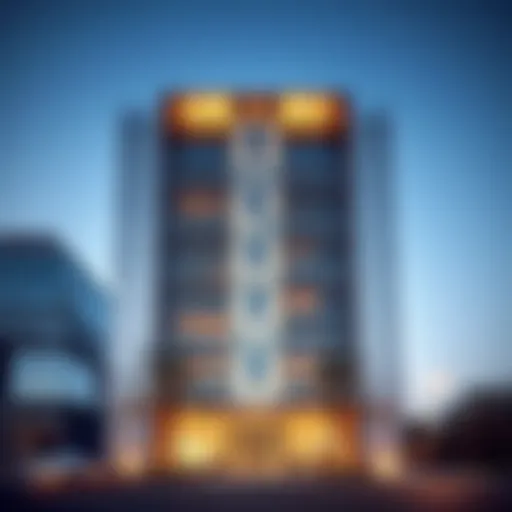
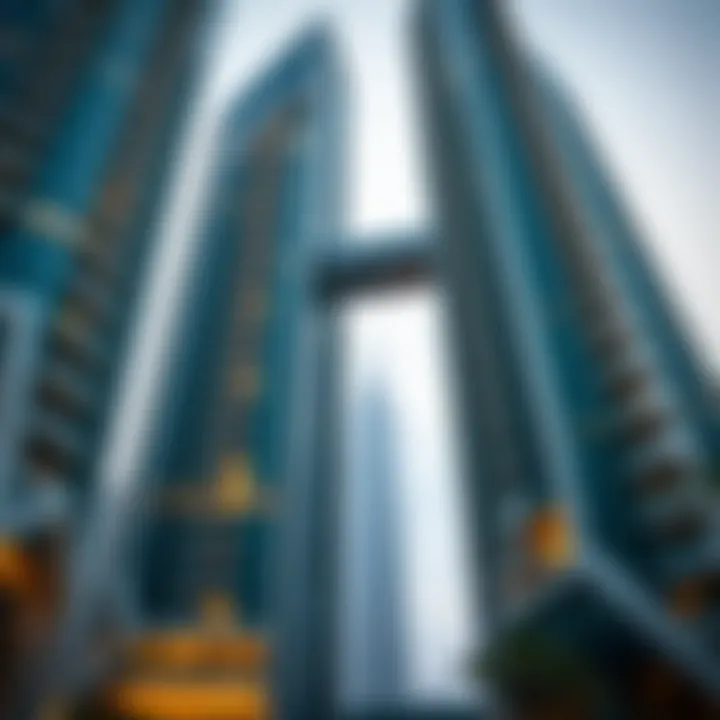
When you gaze upon the 14 Tower, several noteworthy design elements become evident. First off, the façade incorporates a unique blend of glass and aluminum, not just for visual appeal but to optimize energy efficiency. The reflective surface interacts with natural light, mitigating heat absorption which, in this arid climate, can be a game changer. This design choice aligns with Dubai’s goals for sustainability and reducing its environmental footprint.
Another design marvel is the vertical gardens strategically placed at various levels. These features are not just there for aesthetics; they contribute to air purification and offer a green sanctuary amidst the concrete jungle. It’s a slice of nature that provides a stark contrast to the urban environment, enhancing the overall living experience.
Moreover, the layout of the building is carefully crafted to maximize space efficiency. The open-plan offices on lower levels allow for flexible uses, while residential units higher up are designed with balconies that provide panoramic views of the cityscape. This balance between commercial and luxury living spaces caters to a diverse set of tenants, reflecting the dynamic nature of Dubai’s market.
Beyond the aesthetics, the tower also features advanced engineering solutions. State-of-the-art elevators provide swift transport between floors, and cutting-edge systems for air circulation ensure comfort in the often sweltering heat.
Materials and Sustainability Practices
The choice of materials in constructing the 14 Tower showcases a blend of elegance and pragmatism. The structural steel used plays a pivotal role in ensuring the tower’s stability, while lightweight composite materials reduce the overall load without compromising safety.
Sustainability isn’t just a buzzword; it’s embedded in the construction practices. For instance, a significant portion of the materials was sourced locally, minimizing transportation emissions. Additionally, the tower integrates solar panels on the roof, harnessing the abundant Dubai sun for clean energy production.
The green roofs and energy-efficient systems, including smart windows and LED lighting, reflect a commitment to reducing energy consumption significantly. This focus on sustainability not only enhances the building’s environmental credentials but also reduces operational costs over time, making it more attractive to savvy investors.
"Architectural excellence is not merely about appearance; it’s about performance, sustainability, and enhancing the quality of life."
For further insights and architectural developments, you may visit Wikipedia on Skyscrapers or Britannica on Urban Development for educated opinions in the field.
Economic Significance of the Tower
The 14 Tower stands as a beacon within Dubai's dynamic real estate landscape, playing an integral role not only in the architectural realm but also in the economic fabric of the region. The surrounding environment shifts dramatically in response to its presence, influencing aspects such as investment trajectories, employment opportunities, and tourism. It's a prime example of how a single structure can catalyze broader economic activity.
Investment Returns and Market Trends
When considering the potential for investment returns, the 14 Tower presents a compelling case. Investors have found this project to be more than just a noteworthy addition to the skyline; it symbolizes a growing demand for premium properties in Dubai.
Of particular note are the following factors:
- Increase in Property Values: The tower has been linked to rising property values in nearby areas. As demand escalates for properties close to such an iconic structure, real estate prices tend to trend upwards.
- Attraction of High-Profile Tenants: Businesses desire prestigious addresses. The 14 Tower offers not only luxury but an image that many companies wish to align with, making it a desirable location for high-profile tenants.
- Market Trends: The overall economic health of Dubai is reflected in the sales and rental trends seen in properties within and around the tower. As local and foreign investments pour into the region, the broader market responds positively, upholding a stable real estate climate.
Graphical Trends
An analysis of the past decade illustrates a clear correlation between the development of the 14 Tower and the uptick in real estate transactions in the vicinity. Not surprisingly, statistics show that properties near major landmarks experience increased demand, with investors keen to capitalize on proximity to such key locations.
"Investors chasing returns are well aware that the trends in Dubai's real estate market are dynamic and directly influenced by landmark structures like the 14 Tower."
Comparison with Other Notable Towers
In comparing the 14 Tower with other prominent structures, such as the Burj Khalifa or the Marina 101, distinct differences and similarities bubble to the surface. A nuanced understanding of these comparisons reveals further insights into the economic implications of these developments.
- Burj Khalifa: As the tallest building in the world, it draws a global audience. However, its prestige comes at a high entry cost, with property values reflecting its status. The 14 Tower, while perhaps not competing for the title of tallest, offers a more balanced investment opportunity with lower entry costs and substantial returns.
- Marina 101: Known for its stylish design and prime location, Marina 101 impacts the market similarly. However, it lacks the same level of investment returns seen in the 14 Tower in recent times, possibly due to elevated construction costs and management issues.
Ending
In summary, the 14 Tower's economic significance is layered and deep. Its capacity to boost property values, attract distinguished tenants, and impact market trends positions it as a critical component of Dubai's real estate landscape. Understanding its role in juxtaposition to other notable towers provides a clearer perspective on the current and future investment climate in Dubai.
Cultural Implications
The Role of the Tower in Dubai's Identity
The 14 Tower stands as a beacon of modernity amid the shifting sands of Dubai. Its design and presence are not just about height or luxury; they are a reflection of the city's ambition and identity. Dubai is a melting pot of cultures, and the 14 Tower embodies this blend. The architectural style takes cues from the past while looking firmly into the future, offering more than just apartments or offices; it mirrors an ambition that reaches beyond borders.
In the context of this project, the 14 Tower represents a commitment to innovation and excellence. It challenges the conventional notions of urban living by combining technology with sustainability. For instance, the building integrates smart technologies which enhance both its functionality and the user experience, thereby establishing a new touchstone for future developments in the region. The tower jeeringly beckons to the world, saying, "Look what we can achieve in the architectural landscape!"
This ambition goes hand-in-hand with cultural identity. The surrounding community recognizes the tower not merely as a structure but as a symbol of perseverance and progress. The 14 Tower provides a sense of place, anchoring residents and visitors alike in a landscape that is both familiar yet extraordinary. It serves as a daily reminder of Dubai's forward-thinking ethos and its unwavering quest for excellence.
Tourism and the Tower: A New Landmark
Tourism plays a vital role in Dubai’s economy, and the emergence of the 14 Tower marks a significant milestone in its trajectory as a global tourism hub. The structure has quickly established itself as a must-see attraction, attracting both international visitors and local denizens who wish to experience the stunning vistas it offers. The panoramic views from the tower’s observation decks showcase not just the skyline but the very essence of the city itself, highlighting Dubai's luxury and innovation.
Furthermore, the 14 Tower is strategically positioned near other iconic landmarks, creating a ripple effect in tourism dynamics. It adds a layer of depth to the visitor experience, encouraging exploration of surrounding areas that boast cultural richness. The juxtaposition of the modern tower with historical sites creates a timeline that tells the story of Dubai from its humble beginnings to its current status as a global powerhouse.
The very architecture of the 14 Tower invites inquiries. Visitors often leave with an enriched understanding of both the building's design and the broader narratives of urban growth in Dubai. This interest in architecture naturally intertwines with cultural tourism, providing local businesses with myriad opportunities to thrive.
The 14 Tower is not just a structure; it’s a narrative woven into the fabric of Dubai’s cultural tapestry, enticing tourists to uncover a layer of history behind every floor.
Ultimately, the implications of the 14 Tower extend well beyond its impressive stature; it shapes Dubai’s identity and tourism landscape in profound ways. Its cultural significance not only elevates the city’s skyline but invites new conversations about what modern urban living can be.
Challenges and Controversies
In discussing the 14 Tower, it's impossible to sidestep the challenges and controversies that accompany such an ambitious project. These facets are crucial, not just for understanding the tower's immediate implications but also for grasping its long-term effects on Dubai's urban landscape and real estate dynamics.
Construction and Regulatory Challenges
Building a skyscraper like the 14 Tower is no walk in the park; it requires navigating a labyrinth of regulations and construction hurdles. First off, the sheer scale of the project means working with numerous stakeholders, from government bodies to private investors. Each of these players has their own interests and timelines, which can create friction.
Permits and zoning laws can often feel like a minefield. For instance, developers must adhere closely to local regulations regarding building heights and designs that respect the skyline. This can lead to delays, causing financial strains and pushing back anticipated completion dates. In recent years, some projects have faced stringent scrutiny from authorities, prompting a re-evaluation of safety and environmental standards.
Another noteworthy challenge has been securing adequate infrastructure to support the tower. The surrounding area must be able to handle the influx of residents and visitors that such a landmark promises to bring. This includes expanding public transport, enhancing road networks, and ensuring the availability of utilities like water and electricity. These logistical nightmares can be a real headache, complicating the initial vision for a project like the 14 Tower.
Debating Its Environmental Impact
As the 14 Tower reaches for the sky, so too do the questions about its ecological footprint. Critics often raise eyebrows at the environmental implications of such grand constructions. The debate here is multi-faceted, touching on energy consumption, resource depletion, and even social equity.
One major concern is the energy efficiency of skyscrapers in general. Tall buildings often require substantial power for everything from lighting to specialized heating and cooling systems to maintain comfortable working and living environments. If a tower lacks eco-friendly designs, it could contribute significantly to the carbon footprint of the city.
Another issue lies in the sourcing of materials. Constructing a skyscraper demands a wide range of resources, like steel and concrete, which, if not sourced sustainably, can lead to significant environmental degradation in material extraction processes. This prompts many to ask: Is the 14 Tower pushing urban development to the detriment of our planet?
However, it's important not to throw the baby out with the bathwater. Some developers increasingly engage in sustainability practices, integrating green technology to offset their impact. As such, exploring the environmental debate surrounding the 14 Tower pushes a critical discussion about the trade-offs involved in urban growth and sustainability.
In summary, the triumphs and tribulations surrounding the 14 Tower offer a rich narrative worthy of exploration. These challenges not only highlight the tough realities of urban development but also underscore the broader themes of social responsibility and sustainable growth that are becoming ever more paramount in today's world.

Future Prospects of Urban Development
The topic of future prospects in urban development, especially in a dynamic city like Dubai, has become increasingly relevant in the context of emerging innovations and shifting lifestyle expectations. The 14 Tower, with its impressive stature and multifaceted roles, symbolizes not just a remarkable engineering feat, but also sets a precedent for what is possible in upcoming urban planning projects. Understanding this phenomenon is crucial for various stakeholders, including buyers, investors, agents, analysts, and sellers. The trends and principles seen here can offer significant insights into future investments and developments, ensuring that the urban landscape remains vital and relevant.
Trends in Dubai's Skyscraper Development
Dubai has been at the forefront of skyscraper development for over two decades. The city’s skyline is peppered with towering structures that push the boundaries of architectural norms.
Some of the key trends influencing the current trajectory of skyscraper construction include:
- Sustainability and Environmental Considerations: Increasing awareness about environmental sustainability is shaping the designs of new structures. Developers and architects are focusing on eco-friendly materials and energy-efficient systems to reduce carbon footprints. Innovations like smart glass and solar panels are becoming standard rather than exception.
- Mixed-Use Developments: There's a shift towards creating spaces that combine living, working, and recreational facilities in one location. The 14 Tower exemplifies this trend, which caters to a growing population seeking convenience and efficiency in their daily lives.
- Technological Integration: Ongoing advancements in technology are playing a pivotal role in the construction and functionality of skyscrapers. Features such as integrated IoT devices allow for smarter buildings that respond to their environments and user needs effectively.
- Luxury and Lifestyle Centric Features: Developers are focusing on creating spaces that prioritize lifestyle amenities. Rooftop gardens, state-of-the-art fitness centers, and art installations are sought to enhance residents' living experiences.
These trends indicate a clear path forward for future skyscraper projects, including the 14 Tower, positioning Dubai as a leader in modern urban development.
The Tower's Influence on Future Projects
The influence exerted by the 14 Tower extends beyond its physical design—its impact is felt throughout the real estate landscape in Dubai and potentially the global market. Several aspects contribute to this influential stature:
- Benchmark for Future Designs: As developers and architects look for inspiration, the unique architectural elements of the 14 Tower may set a new standard for future skyscrapers. This includes its innovative use of shapes and space, which could encourage other designers to explore unconventional aesthetics.
- Catalyzing Investment: The successful reception of the 14 Tower could encourage further investment into Dubai’s property market. Investors are more likely to stake claims in developments that promise high returns, and the standing of the 14 Tower as a colossal achievement bolsters confidence in future projects.
- Urban Revitalization: The presence of such a landmark can transform the surrounding areas, offering new opportunities for residential and commercial developments. As businesses flock to its vicinity, the urban fabric gains richness, with potential for elevated property values and fresh cultural experiences.
- Plan for Resilience: General planning will take cues from the operational aspects of the 14 Tower, integrating resilience into future projects to withstand environmental changes and urban challenges.
The 14 Tower exemplifies how a single structure can catalyze broader trends and directions in urban development, paving the way for innovative projects that cater to contemporary needs. As we look forward, understanding these dynamics serves as a guide to navigating the complexities of Dubai’s real estate market.
Ending
The conclusion section serves as a critical wrap-up in this article, drawing together the various threads of analysis related to the 14 Tower phenomenon in Dubai's real estate landscape. It allows for a structured reflection on the intricate interplay of architectural, economic, and cultural elements that surround this ambitious project. Importantly, it distills the essence of the broader conversations about urban development in one of the world's most dynamic cities.
Recapitulating the Impact of the Tower
The 14 Tower is more than just another skyscraper. Its role in shaping the skyline of Dubai extends far beyond sheer height and aesthetic appeal. From an economic standpoint, it stands firmly in the spotlight as a beacon for international investments. Not many realize that the tower embodies the aspirations and growth of the real estate sector in the region. As investors scratch below the surface to assess property value and returns, the tower often emerges as a symbol of stability and promise.
It has actively contributed to the city’s narrative of modernity and innovation, meshing seamlessly with other architectural marvels.
- High Investment Potential: The 14 Tower is located in a prime area, making it attractive for both short-term rentals and long-term investments.
- Cultural Significance: As the tower quickly gains recognition, it shapes Dubai's identity as a cosmopolitan hub worth exploring.
In summary, the impact of the 14 Tower reverberates throughout economic sectors, affirming its role as a linchpin in Dubai's continuing narrative of urban expansion and diversification.
"The true beauty of the 14 Tower lies not merely in its architectural grandeur but in its potential to influence investment trends and urban culture."
Final Thoughts on Dubai's Evolving Skyline
As we gaze upon Dubai’s rapidly evolving skyline, the 14 Tower acts as a compelling chapter in the tale of urban growth. It brings to mind the balancing act between tradition and modernity—where futuristic designs coexist with rich cultural heritage. The tower’s potential to become a defining landmark cannot be understated; it's likely to inspire future projects that challenge our imaginations.
Looking ahead, this edifice may well set the pace for architectural ambition not just within Dubai but across the globe. Stakeholders in the investment community are keenly watching to see if the 14 Tower will result in a broader shift toward embracing innovative designs and sustainable practices in upcoming developments.
Ultimately, the 14 Tower reminds us that as Dubai continues to rise towards the clouds, it also remains grounded in its quest for cultural relevance and economic resilience. The interplay of these elements will continue to shape the city’s future, making it a thrilling subject for buyers, investors, agents, analysts, and sellers alike.
For deeper insights into urban planning and real estate, you can refer to resources like Britannica and Wikipedia. Understanding such projects can equip investors with the necessary tools to navigate Dubai’s complex but rewarding property market.